Feb 28, 2022
How Can Traders Prepare for the Future?
The Intersection of Trading, Automation, and Web Development
Last month, I attended a fintech conference where experts in trading automation, machine learning, and web development discussed the evolving landscape of financial technology. The key takeaway? The future of trading isn’t just about better algorithms—it’s about integrating automation, AI, and intuitive user interfaces into trading platforms.
What Does Automation Mean for Traders and Developers?
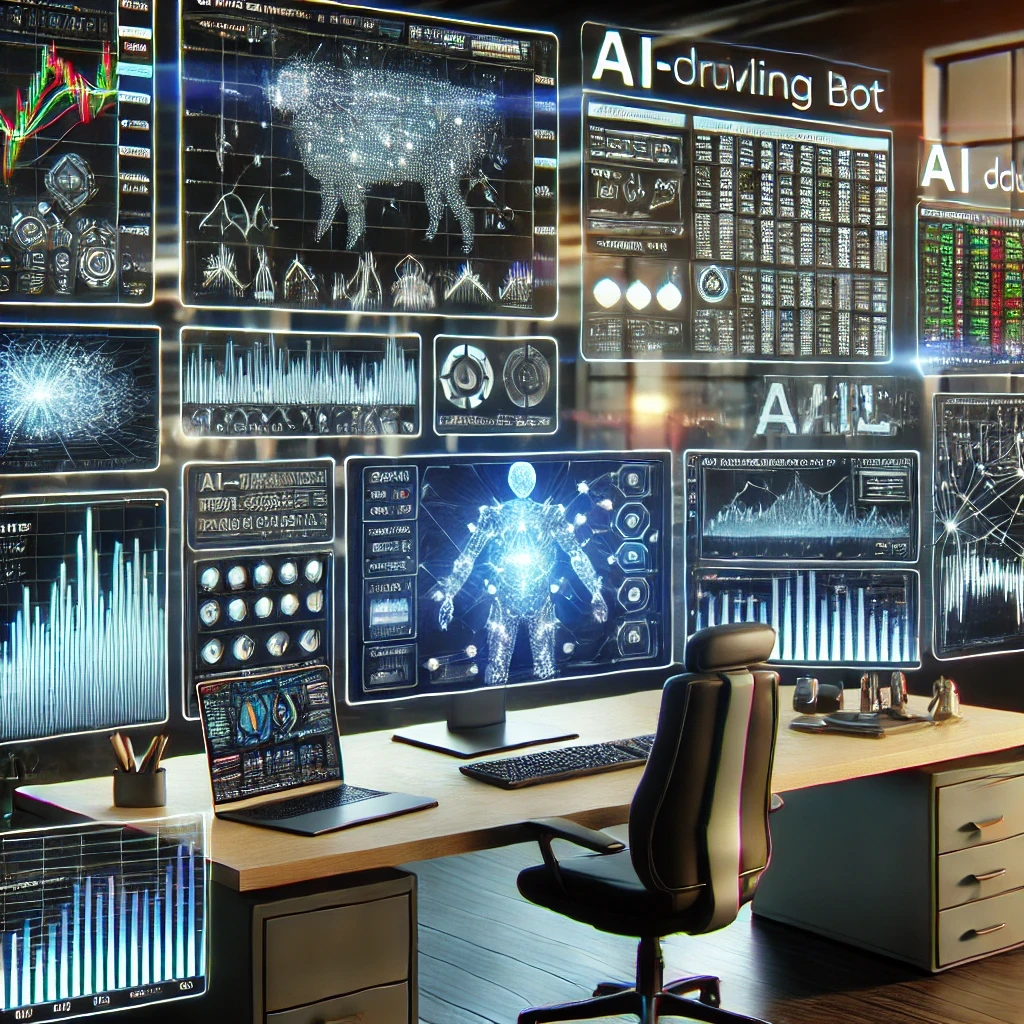
In today’s world, every successful trading operation has some level of automation. From executing market orders to managing risk through AI-driven strategies, automation reduces human error and enhances efficiency. But how does this impact the way we interact with trading bots and financial applications?
Josh Clark, founder of a renowned fintech firm, posed an interesting question: "If an AI-driven bot makes a losing trade, is the bot flawed, or was it a necessary loss within the strategy?" This highlights a crucial aspect of AI in trading—just because a system makes decisions based on logic doesn’t mean it's perfect. Instead, automation should be seen as a tool that empowers traders with better data and execution speed.
Designing for an Unpredictable Financial Future
Jared Spool, a UX expert, once said, “What was the most important thing you learned yesterday, and how will it impact what you do in the future?” In trading, every piece of market data teaches us something new. As developers and traders, we must constantly refine our strategies and tools.
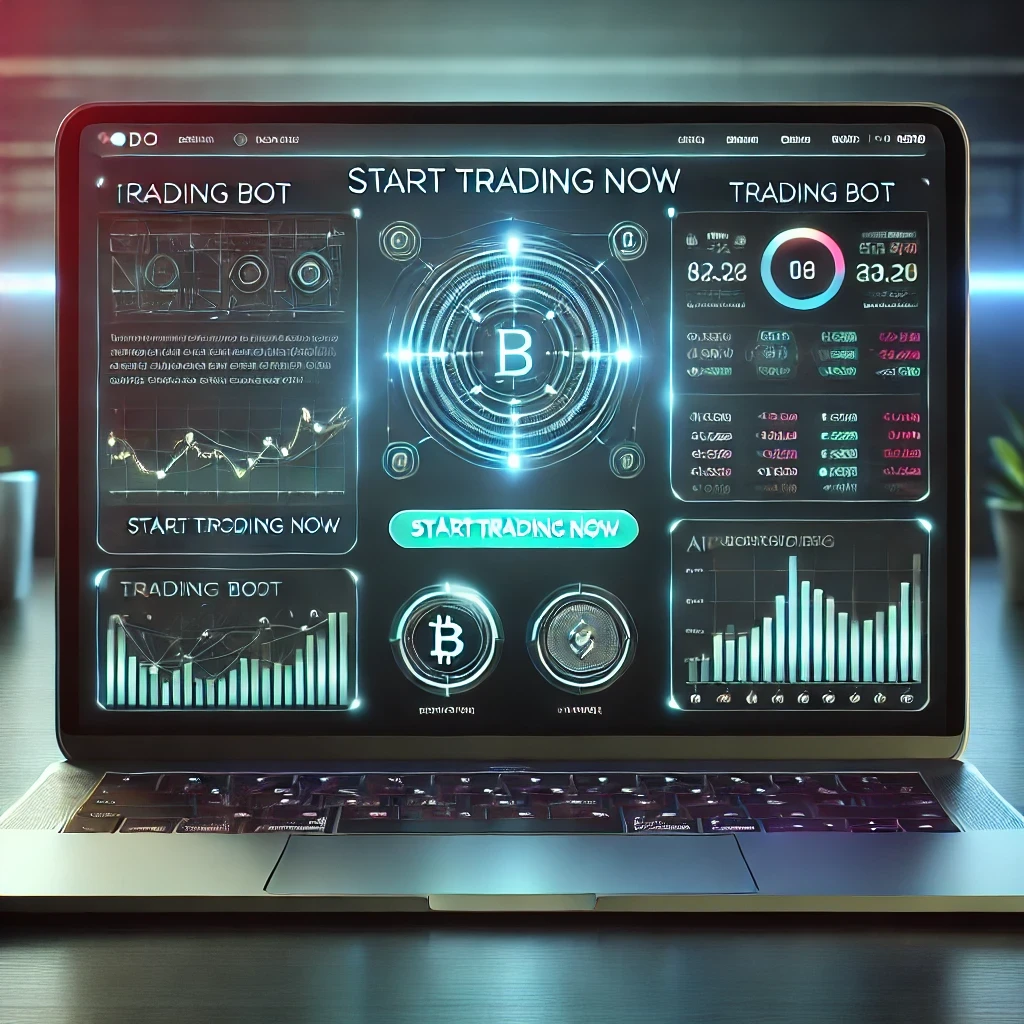
In the past, web platforms for trading bots were rudimentary—complex UIs, slow execution, and limited analytics. Today, we integrate AI-powered dashboards, real-time analytics, and predictive modeling to give traders an edge. This evolution mirrors the development of UX/UI design, where user experience has shifted from an afterthought to a priority.
Are We Building for Users or Ourselves?
One of the biggest mistakes in trading bot development is assuming that traders always know what they need. Many traders think they want endless customization, but too many options can lead to paralysis. In the same way, consumers in a study preferred a wider selection of products but purchased more when given fewer choices, traders need streamlined, intelligent automation over excessive manual control.
Joe Leech, a fintech UX psychologist, put it best: "A developer who doesn’t understand user psychology is like a trader who doesn’t understand risk management."
The Future of Trading Bots and Web Development
The financial industry is moving toward a future where AI-driven bots execute trades, machine learning optimizes strategies in real time, and traders interact with highly responsive, data-rich interfaces. For developers, this means embracing technologies like Django, FastAPI, and WebSockets for low-latency execution. For traders, it means understanding how automation enhances strategy rather than replaces decision-making.
By staying ahead of these trends, both traders and developers can ensure they remain at the cutting edge of financial technology. The future belongs to those who adapt, innovate, and build solutions that are as intuitive as they are intelligent.